A Horticultural Masterpiece: Sleepy Cat Farm's Evolution
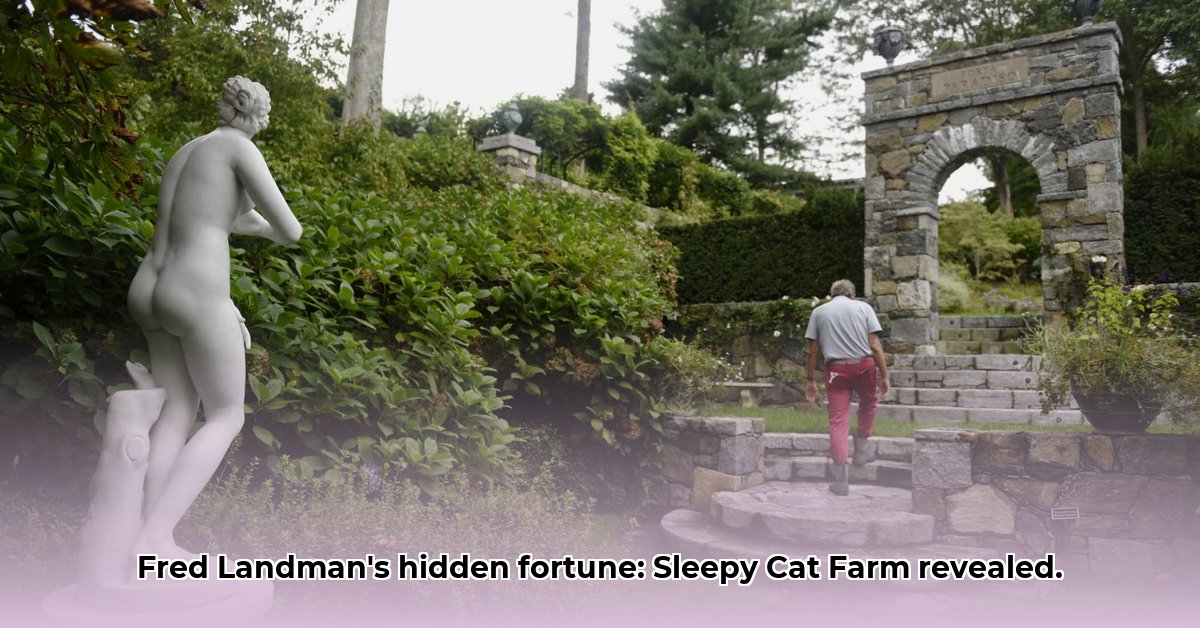
Sleepy Cat Farm, a sprawling 13-acre estate nestled in Greenwich, Connecticut, stands as a testament to exceptional landscape architecture and the enduring power of a long-term vision. While the precise net worth of its owner, Fred Landman, remains undisclosed, the sheer scale and meticulous detail of Sleepy Cat Farm offer a compelling glimpse into the significant resources and unwavering commitment required to create such a horticultural masterpiece. This case study explores the garden's evolution over 25 years, highlighting the collaborative design process, the financial implications of such an undertaking, and the valuable lessons it offers for estate owners and landscape professionals alike.
A Collaborative Vision: Shaping a Horticultural Symphony
The creation of Sleepy Cat Farm wasn't the work of a single hand, but rather a harmonious collaboration between three exceptional talents: Fred Landman, the visionary owner; Charles Hilton, the architect responsible for the estate’s buildings; and Charles J. Stick, the landscape architect who masterfully translated Landman’s vision into reality. This wasn't simply about planting flowers; it was about crafting a unified aesthetic experience, seamlessly blending architecture and horticulture into a single, breathtaking composition. The result is a garden that evolves organically, a living testament to the power of collaborative creativity.
Twenty-Five Years in Bloom: The Iterative Design Process
Sleepy Cat Farm isn't a static entity; it's a living, breathing landscape that has undergone a continuous evolution over the past 25 years. This wasn't a case of simply planting and forgetting; instead, the design process was iterative, adapting to seasonal changes, plant growth, and Landman's evolving aesthetic preferences. This approach involved substantial ongoing financial investment, highlighting the significant resources dedicated to continually refining and enhancing the garden's beauty. Each subtle change, each newly introduced plant, reflects a long-term commitment to excellence and a dedication to preserving and improving this unique horticultural treasure. The evolving nature of Sleepy Cat Farm underscores the long-term vision and substantial investment required to bring such a project to fruition.
The Financial Landscape: Subtly Revealing Wealth Through Scale and Maintenance
While precise figures regarding Fred Landman's net worth remain private, the sheer scale of Sleepy Cat Farm speaks volumes. Maintaining a 13-acre estate to this level of perfection demands a substantial and ongoing financial commitment. The costs associated with landscape maintenance, specialized horticultural expertise, and the continuous refinement of the garden are considerable. Think of the advanced irrigation systems, the meticulous pruning and fertilization schedules, and the ongoing replacement of plants; all contribute to the significant, continuous financial investment necessary to maintain Sleepy Cat Farm's breathtaking beauty. This isn't just about maintaining a garden; it's about preserving a priceless asset. The property itself represents a high-value asset, requiring a significant ongoing financial commitment.
Lessons Learned: Cultivating Success in High-End Landscape Design
Sleepy Cat Farm provides invaluable lessons for those involved in high-end landscape design and estate management:
Long-Term Vision: A successful landscape project requires a long-term vision, not just for initial design but also for ongoing maintenance and adaptation. The 25-year evolution of Sleepy Cat Farm exemplifies this perfectly.
Collaborative Expertise: The successful integration of architectural and horticultural expertise is crucial. The collaboration between Landman, Hilton, and Stick resulted in a cohesive and stunning aesthetic.
Substantial Financial Commitment: Maintaining a property of this scale demands a substantial financial investment, both initially and over the long term. This includes ongoing maintenance, professional horticultural expertise, and the potential for future modifications.
Iterative Design: Instead of viewing landscape design as a one-time event, consider it as an ongoing process requiring continuous refinement and adaptation.
Conclusion: A Legacy in Bloom
Sleepy Cat Farm stands as a testament to the enduring power of a long-term vision, the value of collaborative expertise, and the significant resources required to create a truly exceptional landscape. While the exact net worth of Fred Landman remains undisclosed, the sheer scale and meticulous detail of Sleepy Cat Farm provide a compelling narrative of substantial wealth, unwavering commitment, and the enduring beauty of a meticulously crafted horticultural masterpiece. It serves as a compelling case study in achieving an exceptional return on investment through meticulous planning and commitment to excellence over the long term.